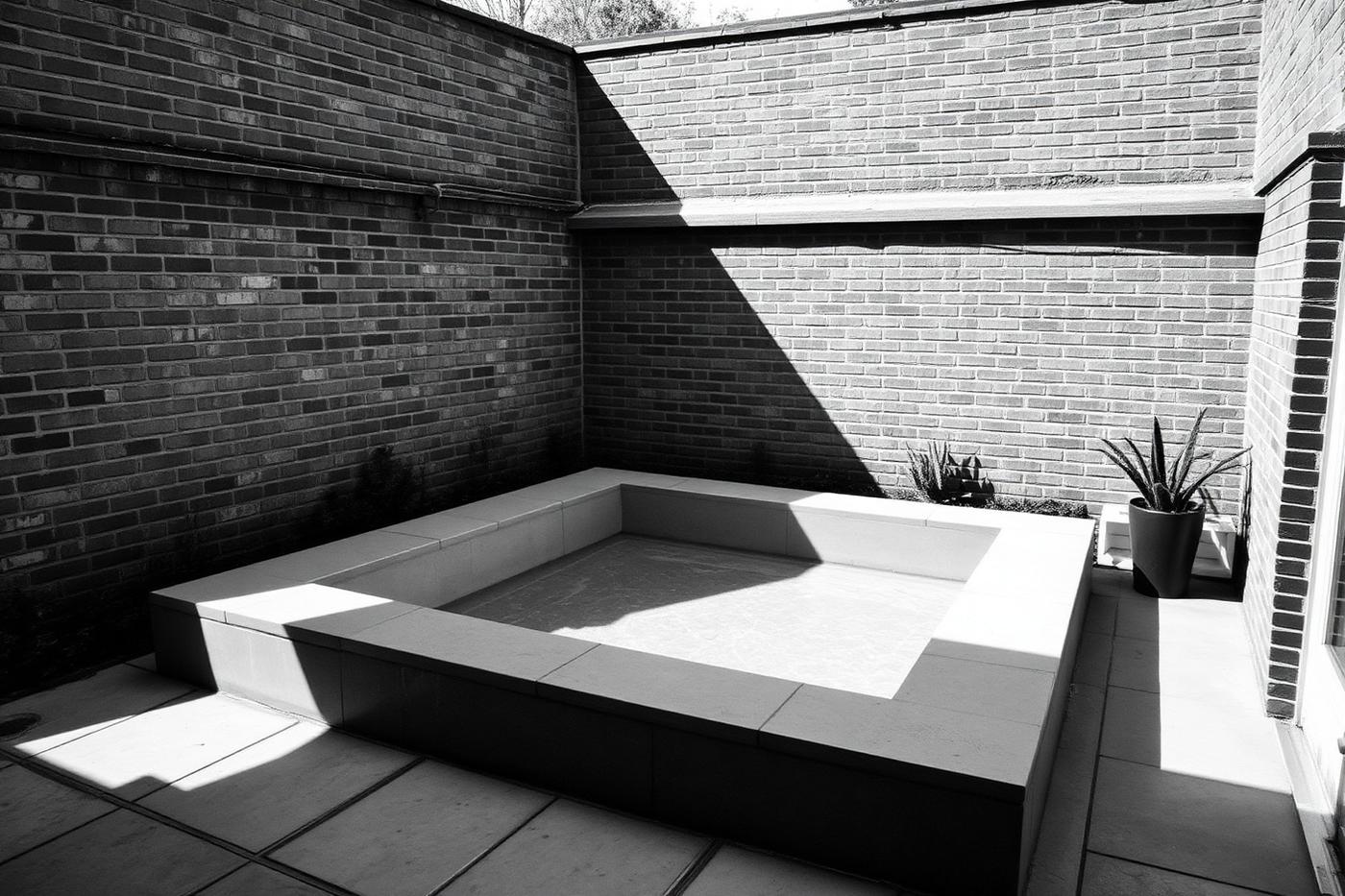
Indoor swimming pools in St James's
SW1Y · Central London · Tanked, heated and environmentally controlled pool halls
Indicative local rate
£1,180 / m²
Area factor
Central London ×1.18
Typical programme
16–36 weeks
Postcode
SW1Y
Indoor Swimming Pools in St James's
An indoor pool is a building services project as much as a construction one. The tank is the straightforward part; the difficulty is controlling the humidity, air movement, temperature and condensation risk in a permanently wet enclosure so the structure around it survives.
St James's is one of the most tightly protected parts of central London: eighteenth and nineteenth-century townhouses, club buildings, mansion flats and commercial chambers, largely listed and entirely within a conservation area. Residential work here is concentrated in apartments and upper-floor conversions, alongside a steady amount of commercial refurbishment in offices and members' premises.
That context shapes how we approach indoor swimming pools here. Servicing is the defining constraint. Loading bays are booked, streets are narrow and busy for most of the day, waste removal happens in scheduled collections, and noise-generating work is limited to agreed hours. Programmes are built around those windows from day one, and out-of-hours working is arranged in advance where a client's neighbours or building management require it. We survey the property, confirm the consents that apply to SW1Y and issue a fixed price against a written scope, so the figure you sign is the figure you pay unless you change the brief.
Our indicative rate for indoor swimming pools in Central London is around £1,180 per m², reflecting a ×1.18 area factor against our London baseline. Use the instant quotation tool for a figure tailored to your size, specification and start date.
Included in St James's
- Feasibility, structural design and pool engineering
- Excavation, reinforced concrete tank and waterproofing
- Tiling, liner or mosaic finish and coping details
- Filtration, circulation, dosing and water treatment plant
- Heating, heat pumps or boiler integration and pool covers
- Dehumidification and mechanical ventilation with heat recovery
- Pool hall structure, glazing, insulation and vapour control
- Non-slip surrounds, changing areas, showers and plant room fit-out
How the job runs
Feasibility
Site, ground, access and services assessment plus a realistic budget and programme before design fees are committed.
Design
Structural, mechanical and electrical design coordinated together — tank, plant, air handling and enclosure as one system.
Consents
Planning where the enclosure is new or altered, plus building control and party wall matters.
Tank construction
Excavation, reinforcement, concrete pour, waterproofing and the pipework cast into the structure.
Plant and enclosure
Plant room installation, air handling, insulation, vapour barriers, glazing and internal finishes.
Commissioning
Fill, balance, test, calibrate the controls and train you on operation and maintenance.
Humidity control is what makes or breaks an indoor pool
Evaporating pool water raises humidity to a level that destroys ordinary building fabric. Without proper control you get condensation on cold surfaces, mould, corroded fixings and rotting timber within a couple of years. The answer is a dehumidification and air handling system sized to the water surface area and hall volume, ducted to sweep air across glazing where condensation forms first.
The building fabric matters just as much: continuous vapour control layers, thermally broken glazing, insulation without cold bridges, and corrosion-resistant fixings and fittings throughout. A pool cover used when the pool is idle cuts evaporation dramatically and is the single cheapest efficiency measure available.
Indoor swimming pools in St James's: common questions
How much does an indoor pool cost?
Our indicative rate is £1,000 per m² of water surface at standard specification, £1,500 premium and £2,000 luxury, before the enclosure, plant room and excavation. A basement pool with a new hall is a substantially larger project.
How long does it take?
Typically 20–36 weeks from start on site, depending on excavation, structure and whether the enclosure is new build.
Do I need planning permission?
A pool inside an existing building usually does not, unless the property is listed. A new pool house or basement excavation normally does. We confirm the position for your address early on.
What is the running cost?
It depends on size, temperature, insulation and how consistently you use a cover. A well-insulated pool with a heat pump, heat recovery ventilation and disciplined cover use costs a fraction of a poorly detailed one.