Indoor Swimming Pools
Tanked, heated and environmentally controlled pool halls
Indicative rate
£1,000 / m²
Typical programme
16–36 weeks
Portfolio examples
5
Coverage
All London boroughs
Overview
An indoor pool is a building services project as much as a construction one. The tank is the straightforward part; the difficulty is controlling the humidity, air movement, temperature and condensation risk in a permanently wet enclosure so the structure around it survives.
Foxter builds indoor pools in basements, garden buildings and dedicated pool halls across London. Our indicative benchmark is £1,000 per m² of water surface at standard specification, £1,500 premium and £2,000 luxury, before enclosure, plant room and area factors.
Every project is designed with the plant room, dehumidification and air handling planned first, because retrofitting environmental control into a finished pool hall is close to impossible.
What a typical package includes
- Feasibility, structural design and pool engineering
- Excavation, reinforced concrete tank and waterproofing
- Tiling, liner or mosaic finish and coping details
- Filtration, circulation, dosing and water treatment plant
- Heating, heat pumps or boiler integration and pool covers
- Dehumidification and mechanical ventilation with heat recovery
- Pool hall structure, glazing, insulation and vapour control
- Non-slip surrounds, changing areas, showers and plant room fit-out
- Lighting, controls, automation and safety systems
- Commissioning, water balancing, training and handover
How we deliver it
Feasibility
Site, ground, access and services assessment plus a realistic budget and programme before design fees are committed.
Design
Structural, mechanical and electrical design coordinated together — tank, plant, air handling and enclosure as one system.
Consents
Planning where the enclosure is new or altered, plus building control and party wall matters.
Tank construction
Excavation, reinforcement, concrete pour, waterproofing and the pipework cast into the structure.
Plant and enclosure
Plant room installation, air handling, insulation, vapour barriers, glazing and internal finishes.
Commissioning
Fill, balance, test, calibrate the controls and train you on operation and maintenance.
Humidity control is what makes or breaks an indoor pool
Evaporating pool water raises humidity to a level that destroys ordinary building fabric. Without proper control you get condensation on cold surfaces, mould, corroded fixings and rotting timber within a couple of years. The answer is a dehumidification and air handling system sized to the water surface area and hall volume, ducted to sweep air across glazing where condensation forms first.
The building fabric matters just as much: continuous vapour control layers, thermally broken glazing, insulation without cold bridges, and corrosion-resistant fixings and fittings throughout. A pool cover used when the pool is idle cuts evaporation dramatically and is the single cheapest efficiency measure available.
Water treatment and running costs
Filtration, circulation and dosing keep the water safe and clear. Sand or glass media filtration with automated chlorine or salt chlorination and pH dosing is standard; UV or ozone secondary treatment reduces chemical use and smell. Turnover rate is designed to the pool volume and expected bathing load.
Running costs are dominated by heating the water and conditioning the air. Air source heat pumps, heat recovery on the ventilation, good insulation and disciplined cover use can cut those costs substantially. We model expected running cost at design stage so it is not a surprise after handover.
Safety and compliance
Private pools still need to be safe: non-slip surrounds, controlled access, compliant electrical zoning and bonding, safe chemical storage in a ventilated plant room, and clear depth markings. Where children have access we specify covers, alarms or enclosure locking as part of the design.
Indoor swimming pools examples
All indoor swimming poolsIllustrative concept case studies — not records of specific client contracts.
NW3Indoor Swimming Pools · 2024
Hampstead Indoor Pool
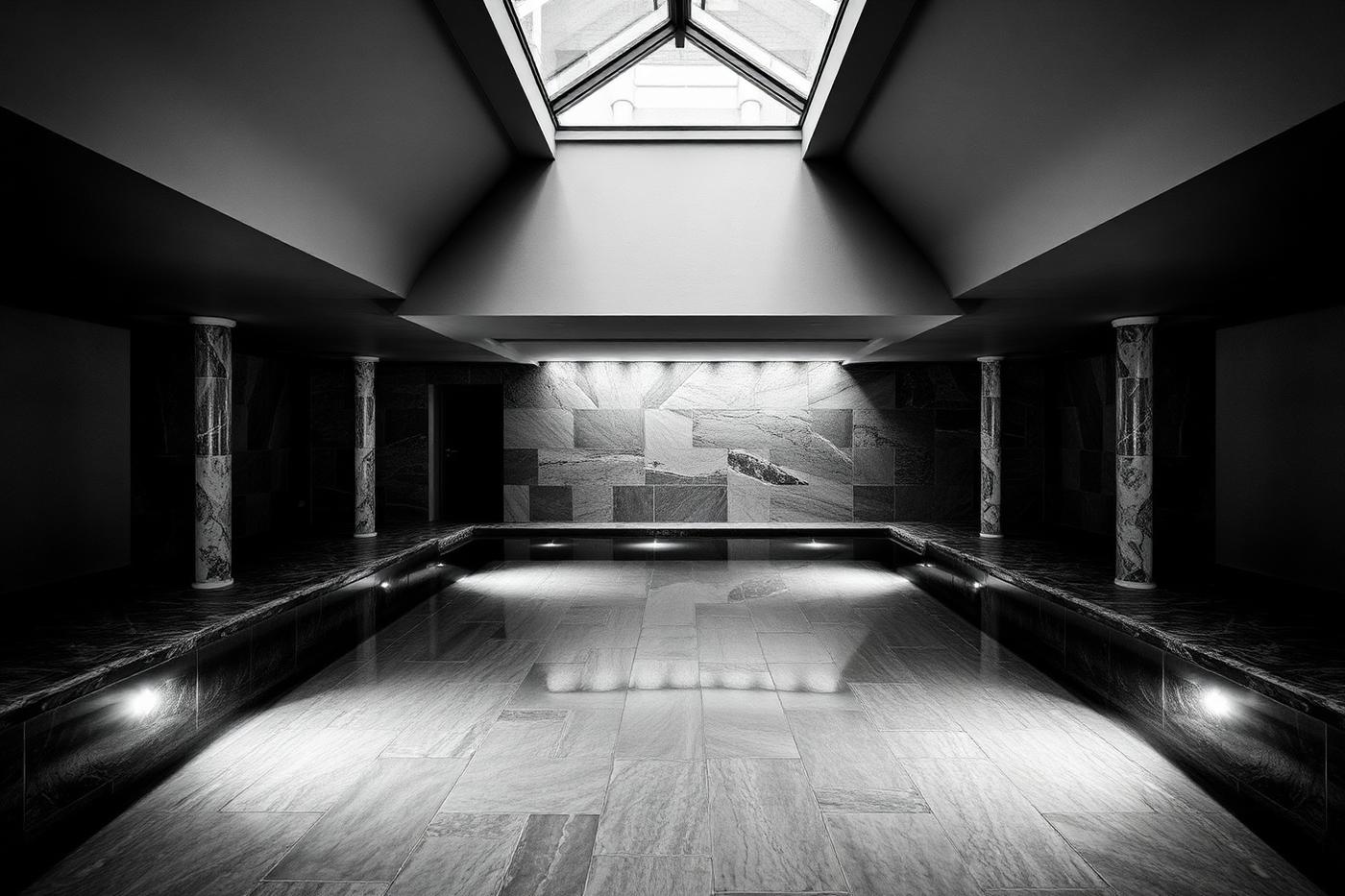
Stone-lined basement pool with rooflight over the tank, marble surround and full plant room. Sample case study set in Hampstead (NW3).
View project →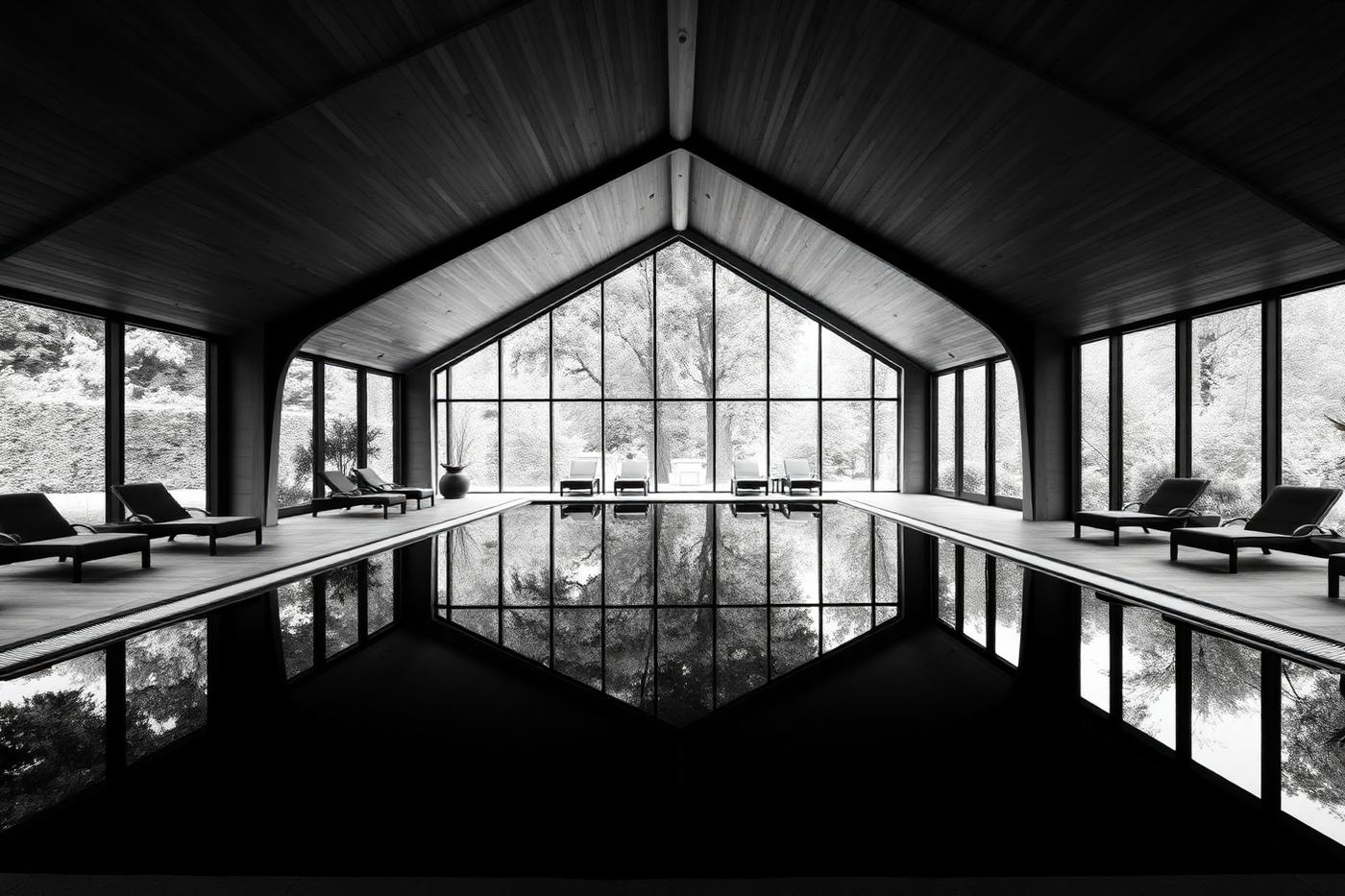 TW9
TW9Indoor Swimming Pools · 2023
Richmond Indoor Pool
Garden pool house with vaulted timber ceiling and full-height glazing to the lawn. Sample case study set in Richmond (TW9).
View project →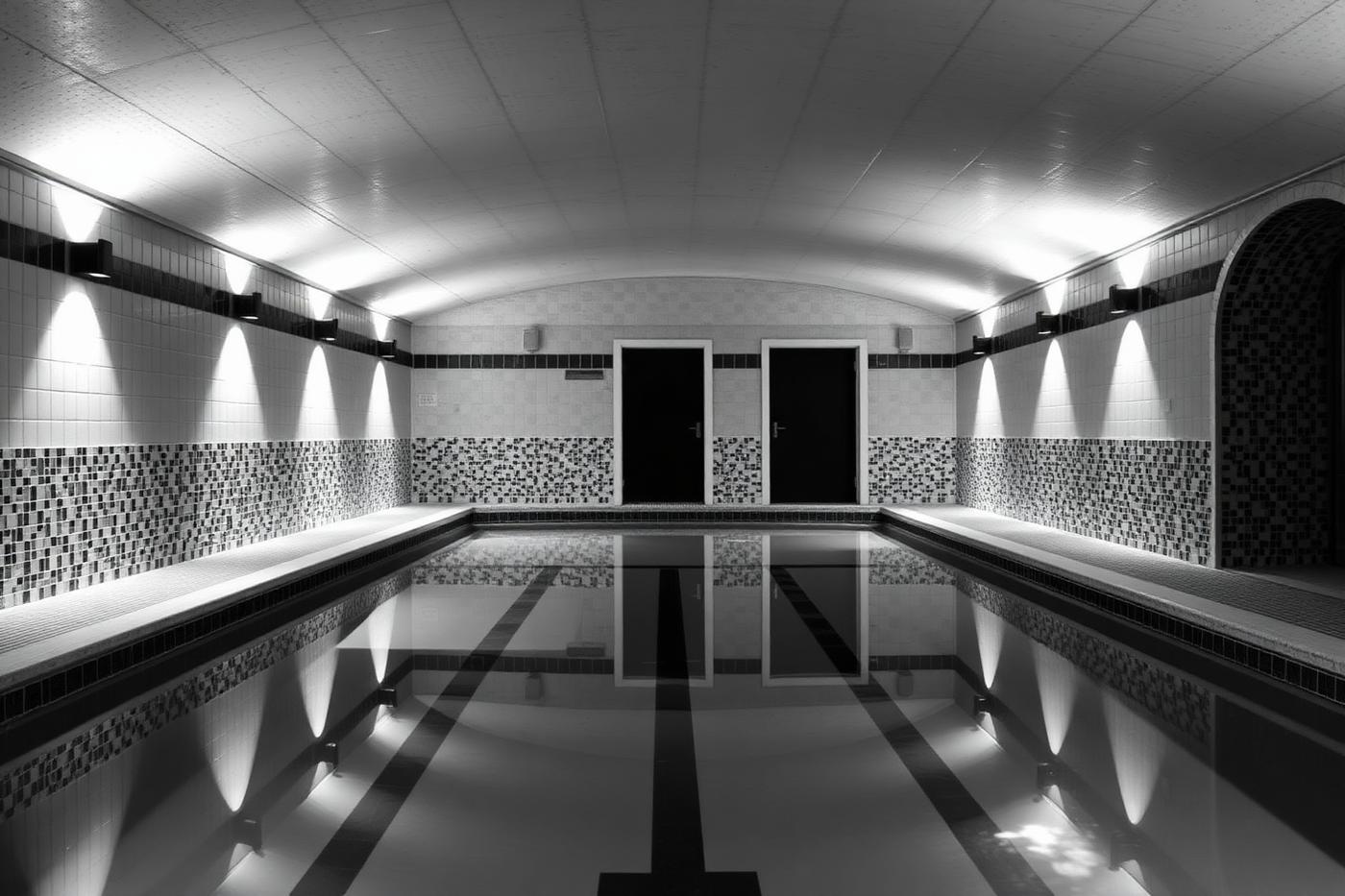 W8
W8Indoor Swimming Pools · 2022
Kensington Indoor Pool
Mosaic-tiled lap pool in a dug-out cellar with steam room and changing suite. Sample case study set in Kensington (W8).
View project →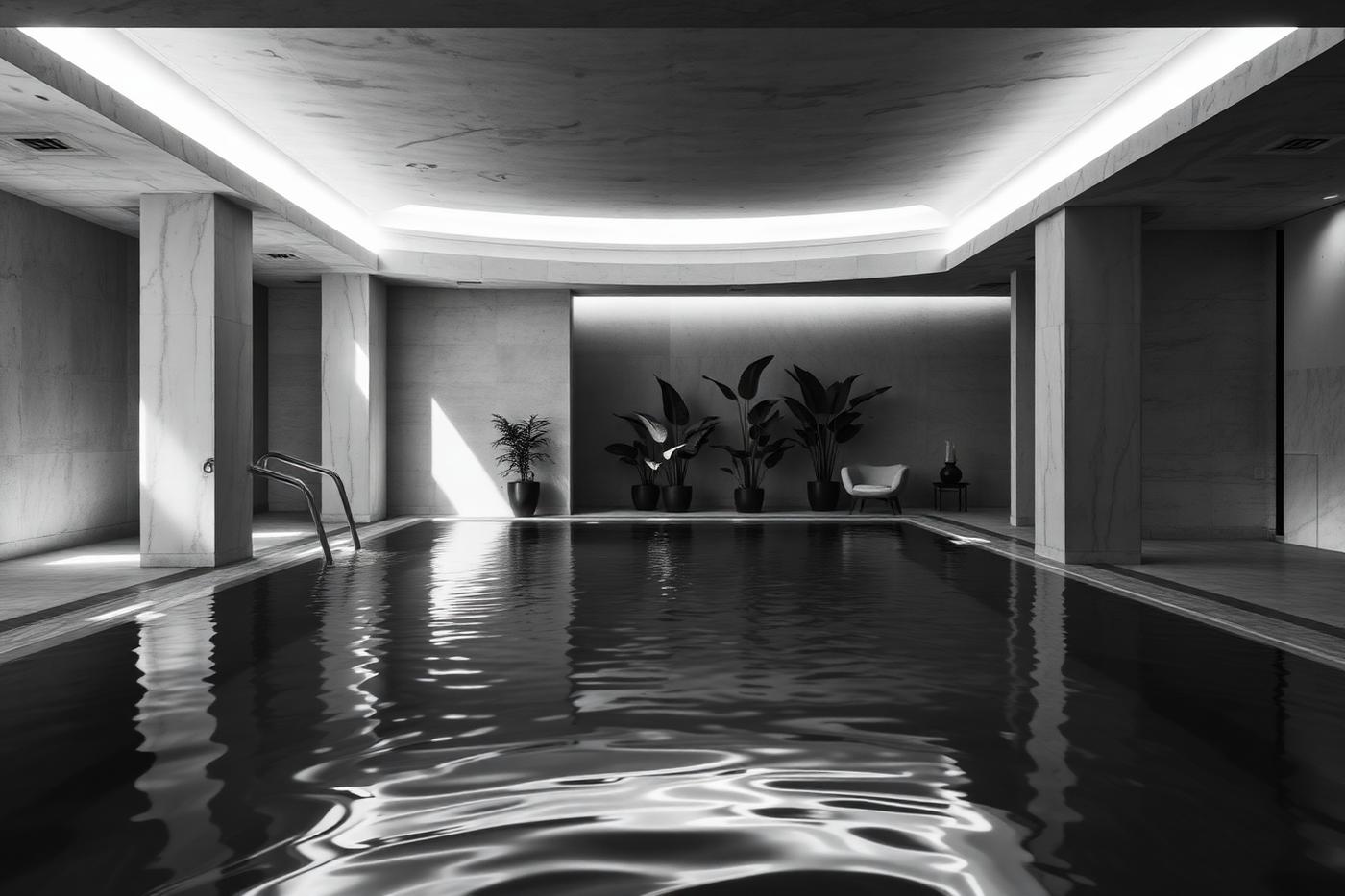 NW8
NW8Indoor Swimming Pools · 2025
St John's Wood Indoor Pool
Minimal spa pool with marble piers, cove lighting and concealed environmental control. Sample case study set in St John's Wood (NW8).
View project →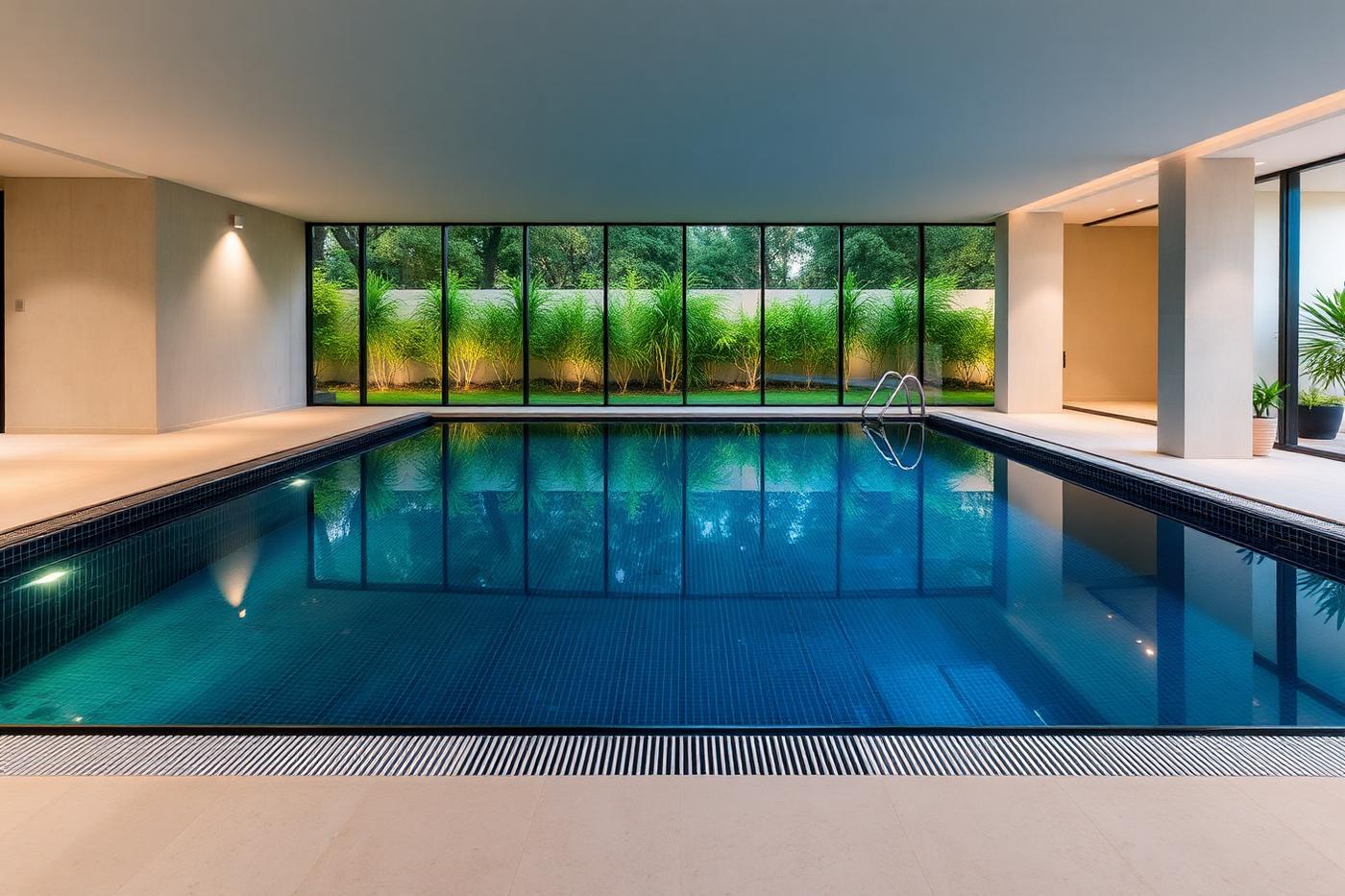 BR1
BR1Indoor Swimming Pools · 2021
Bromley Indoor Pool
Family indoor pool with wet-leisure hall, sauna and low-energy air handling. Sample case study set in Bromley (BR1).
View project →Indoor swimming pools near you
We cover every Greater London borough. These are some of the areas where we work most often.
Indoor swimming pools FAQs
How much does an indoor pool cost?
Our indicative rate is £1,000 per m² of water surface at standard specification, £1,500 premium and £2,000 luxury, before the enclosure, plant room and excavation. A basement pool with a new hall is a substantially larger project.
How long does it take?
Typically 20–36 weeks from start on site, depending on excavation, structure and whether the enclosure is new build.
Do I need planning permission?
A pool inside an existing building usually does not, unless the property is listed. A new pool house or basement excavation normally does. We confirm the position for your address early on.
What is the running cost?
It depends on size, temperature, insulation and how consistently you use a cover. A well-insulated pool with a heat pump, heat recovery ventilation and disciplined cover use costs a fraction of a poorly detailed one.
Tiles, mosaic or liner?
Fully tiled and mosaic finishes look best and last longest but cost more and take longer. A reinforced liner is quicker and cheaper, with a 10–15 year replacement cycle.
Can you build a pool in a basement?
Yes, and it is a common London solution. It combines basement engineering — underpinning, waterproofing, drainage — with pool and environmental design, so it is priced and programmed as one integrated project.
Next step
Price your indoor swimming pools
Use the instant quotation tool for an indicative range in under a minute, or book a site visit and we will issue a detailed written quotation against a written scope.