Plumbing
Project plumbing for renovations, extensions and new bathrooms and kitchens.
Indicative rate
£4,200 / unit
Typical programme
1–3 weeks
Portfolio examples
7
Coverage
All London boroughs
Overview
Plumbing is invisible until it fails, and in London housing stock it fails often: lead and steel pipework, undersized supplies, badly notched joists and decades of ad-hoc alterations by whoever was cheapest at the time.
Foxter's plumbers work on full re-pipes, bathroom and kitchen installations, hot water systems, boilers, unvented cylinders, pressurisation, drainage and leak diagnosis across London — as part of a larger project or as a standalone job.
Everything is pressure tested before it is closed up, and all gas and pressurised hot water work is carried out by appropriately registered engineers with certification issued to you.
What a typical package includes
- Survey of existing pipework, pressure and flow
- Full or partial re-pipe in copper or plastic
- Removal of lead and redundant steel pipework
- Bathroom, en-suite, kitchen and utility installations
- Boiler replacement, relocation and system upgrades
- Unvented cylinders, pumps and pressurisation
- Radiators, valves, underfloor heating manifolds
- Soil stacks, waste runs and drainage alterations
- Leak detection, repair and making good
- Pressure testing, commissioning and certification
How we deliver it
Survey and test
Incoming pressure and flow measured, existing pipework traced and problems identified before pricing.
Design
Pipe sizing, system type and appliance schedule agreed so the system meets the demand it will actually see.
First fix
Pipework installed with correct joist notching, insulation and accessible isolation.
Test
Pressure test held and recorded before anything is boarded, plastered or tiled.
Second fix
Sanitaryware, brassware, appliances and controls installed and connected.
Commission
System balanced, flushed, treated and certificates issued.
Pressure, flow and choosing the right system
The single most useful measurement in a domestic plumbing job is incoming flow rate. A combi boiler is limited by it, an unvented cylinder needs adequate pressure, and a gravity system will not run a modern shower without help. We measure before recommending rather than defaulting to whichever system is easiest to fit.
In flats and older properties, undersized or partially blocked incoming supplies are common. Upgrading the incoming main, or fitting an accumulator, often transforms performance more than replacing the boiler would.
Re-piping an old London house
A re-pipe is disruptive because pipework runs through floors, walls and ceilings. Done as part of a wider refurbishment it is straightforward; done alone it means lifting floors and cutting chases. We plan routes to minimise damage, use accessible isolation valves at each branch, insulate pipework in cold voids and avoid notching joists beyond what the structural rules allow.
Where lead pipework remains on the incoming supply, replacing it is a straightforward health improvement and often part-funded by the water authority for the section in the street.
Preventing the next leak
Most water damage we are called to fix comes from a small number of causes: failed flexible tap connectors, unsealed shower trays, washing machine hoses, blocked condensate pipes and corroded radiator valves. We use quality fittings, fit isolation valves so a future repair does not mean draining the house, and treat the heating system with inhibitor to stop internal corrosion and sludge.
Plumbing examples
All plumbingIllustrative concept case studies — not records of specific client contracts.
N5Plumbing · 2019
Highbury Plumbing
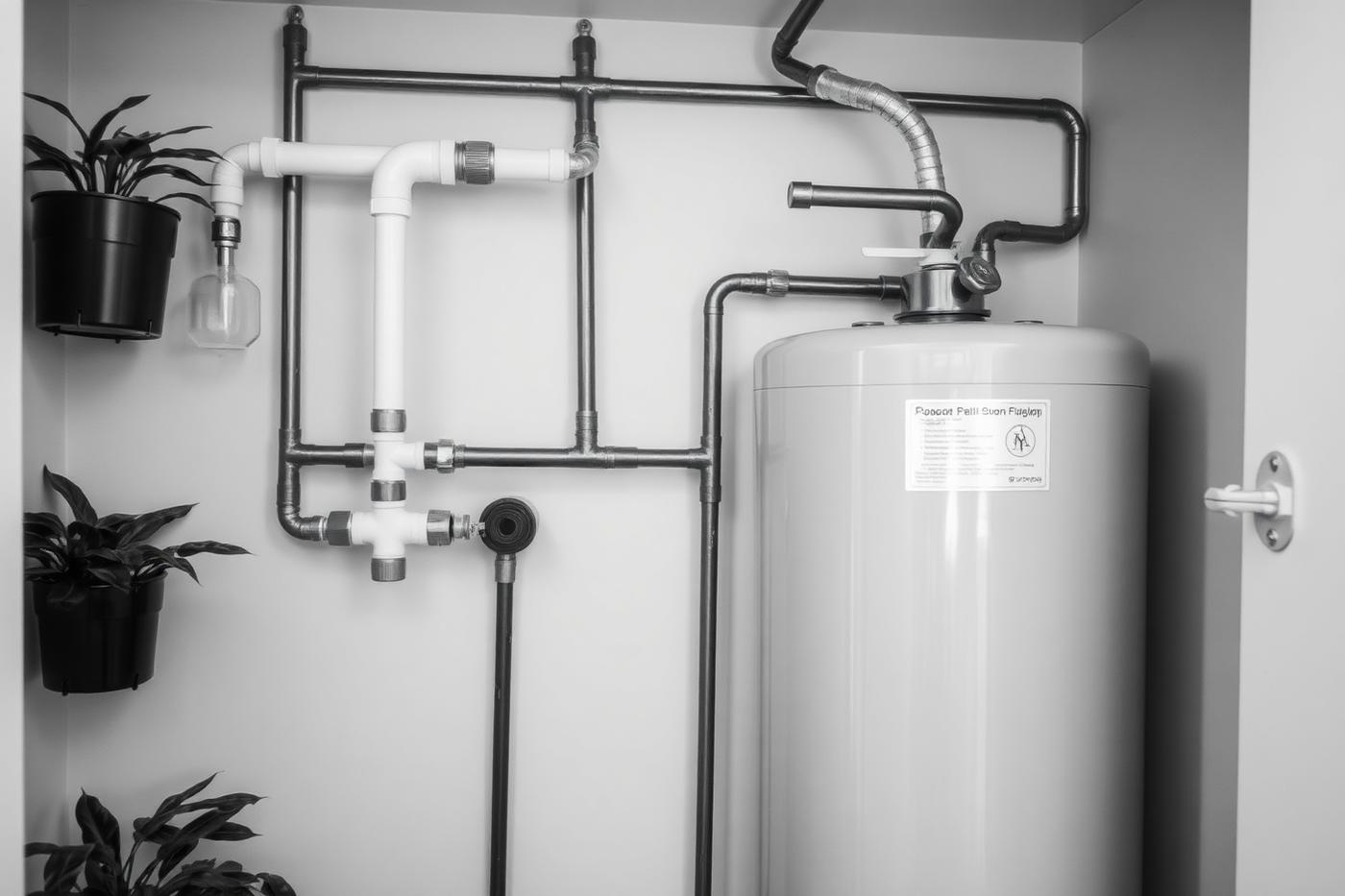
Full re-pipe with new manifolds, pressurised hot water and modern sanitaryware. Sample case study set in Highbury (N5).
View project →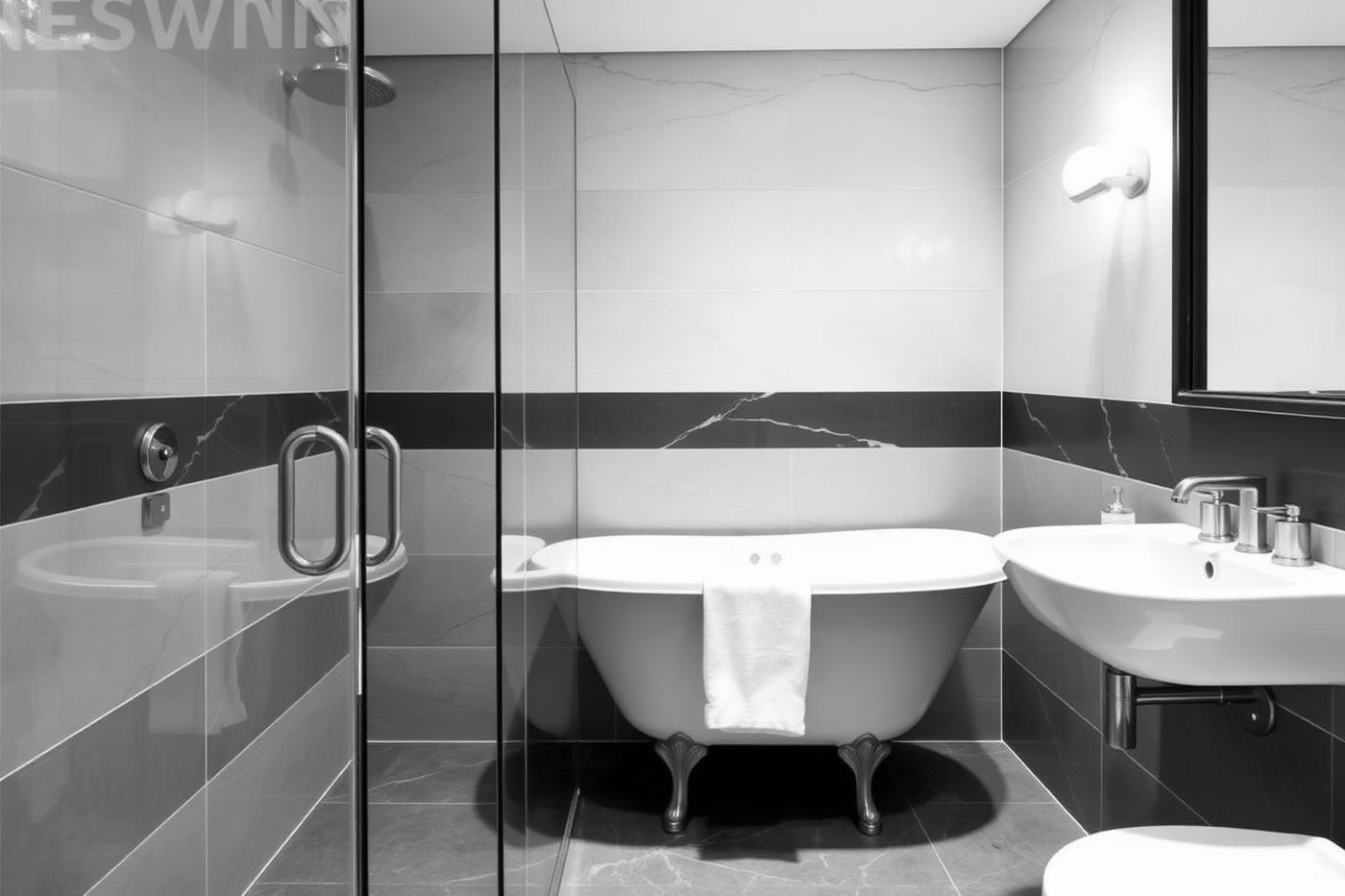 W1
W1Plumbing · 2023
Marylebone Plumbing
Full re-pipe with new manifolds, pressurised hot water and modern sanitaryware. Sample case study set in Marylebone (W1).
View project →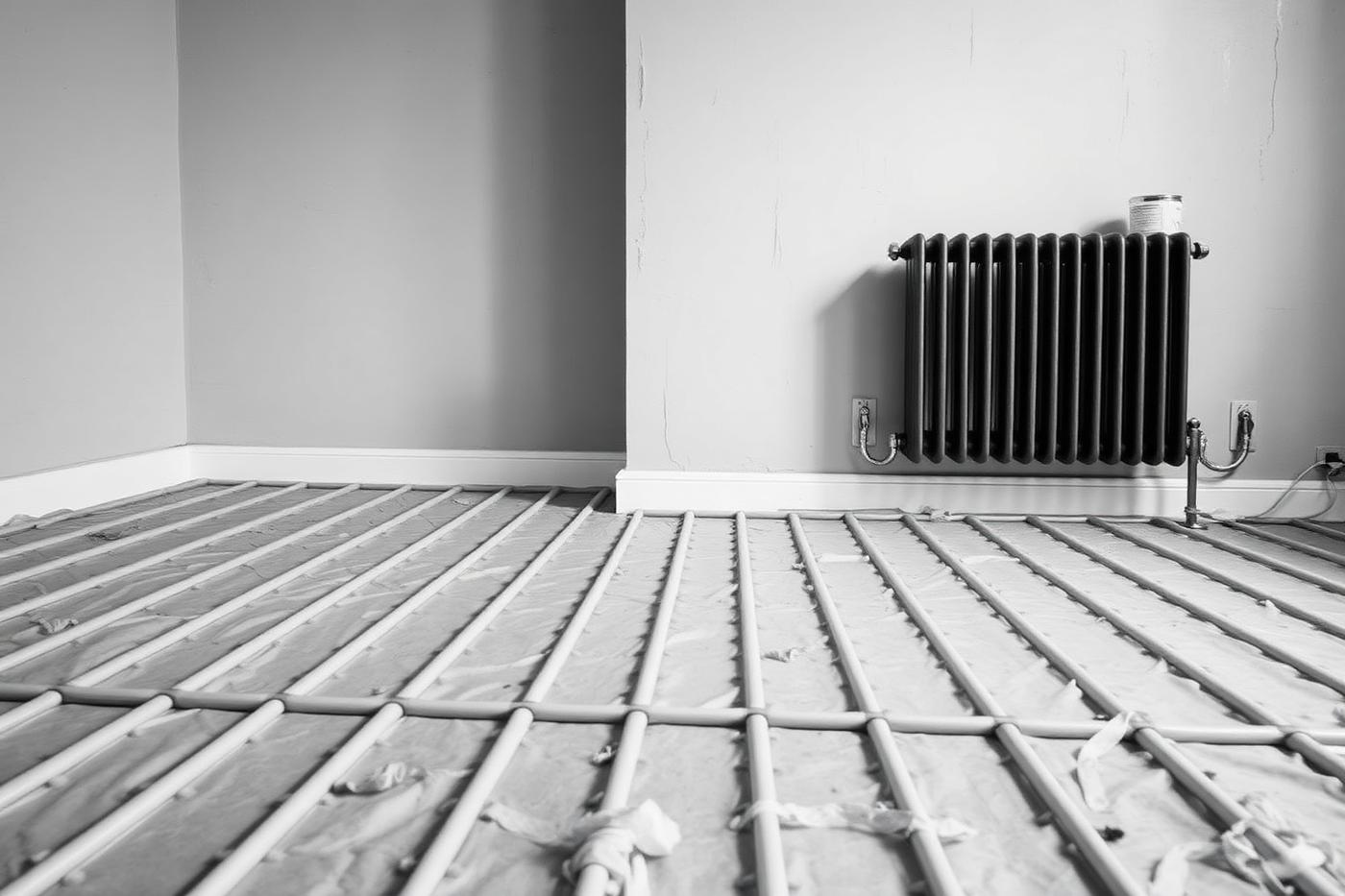 W6
W6Plumbing · 2022
Hammersmith Plumbing
Full re-pipe with new manifolds, pressurised hot water and modern sanitaryware. Sample case study set in Hammersmith (W6).
View project →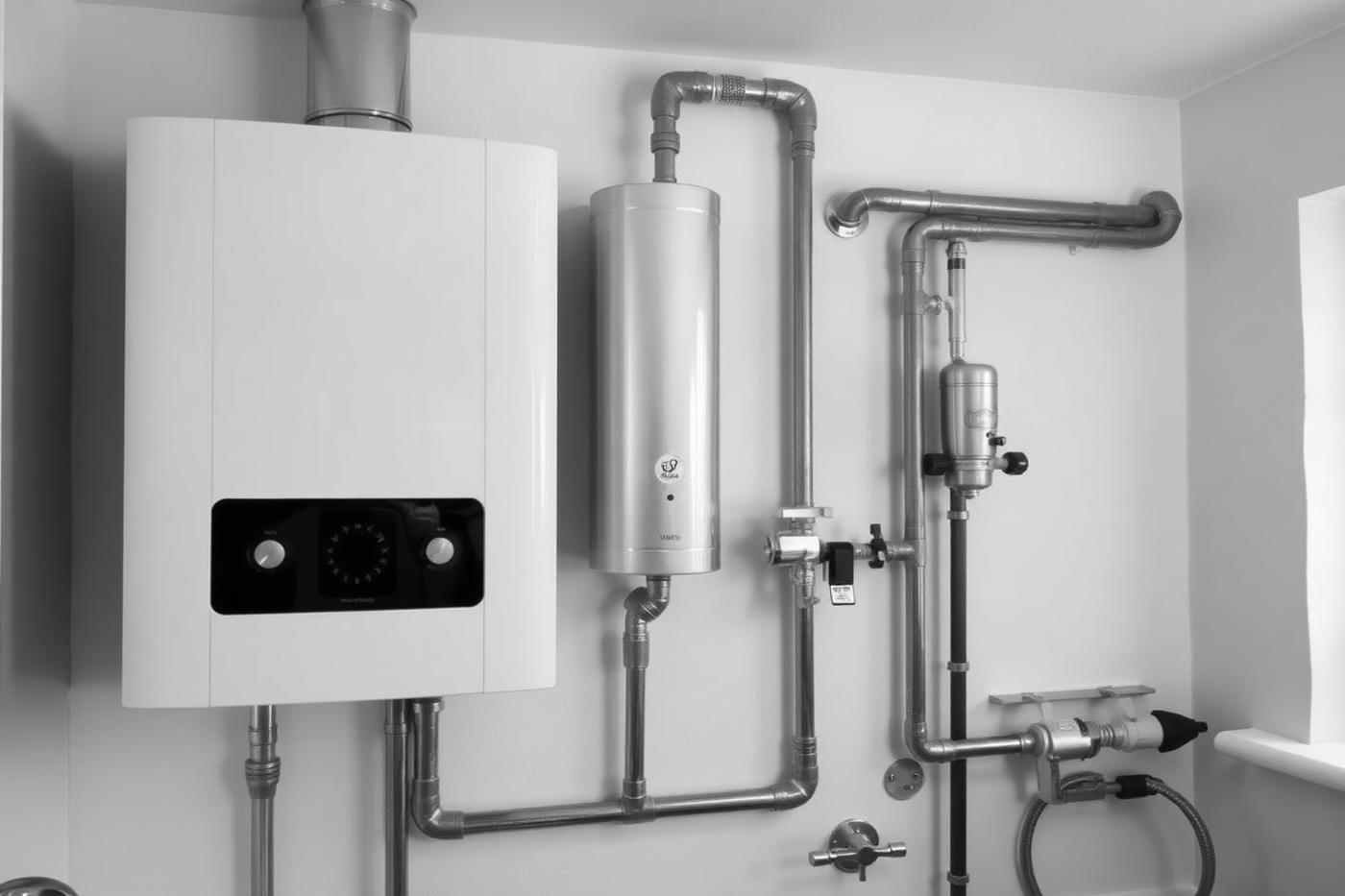 SE21
SE21Plumbing · 2019
Dulwich Plumbing
Full re-pipe with new manifolds, pressurised hot water and modern sanitaryware. Sample case study set in Dulwich (SE21).
View project →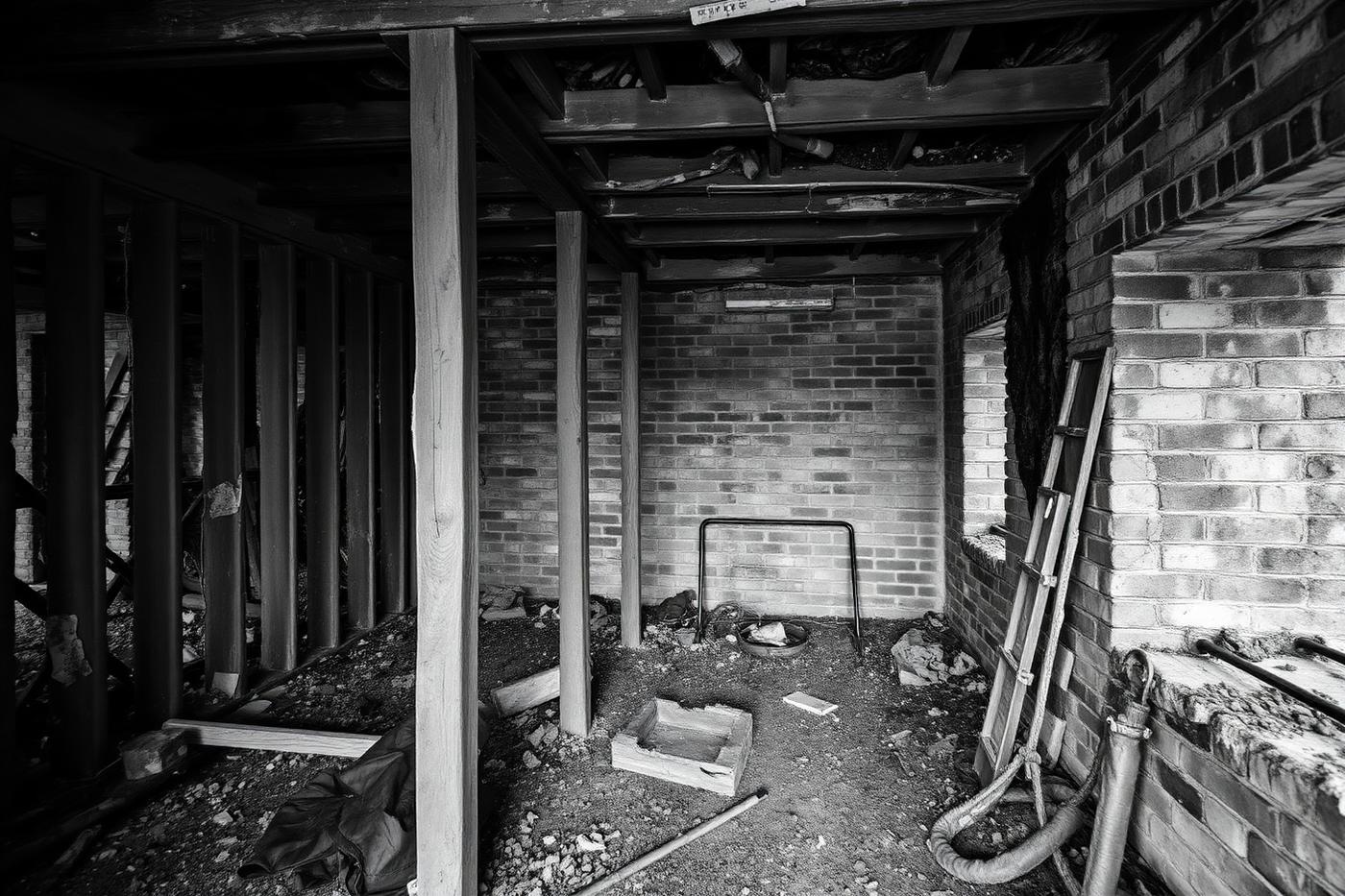 N3
N3Plumbing · 2023
Finchley Plumbing
Full re-pipe with new manifolds, pressurised hot water and modern sanitaryware. Sample case study set in Finchley (N3).
View project →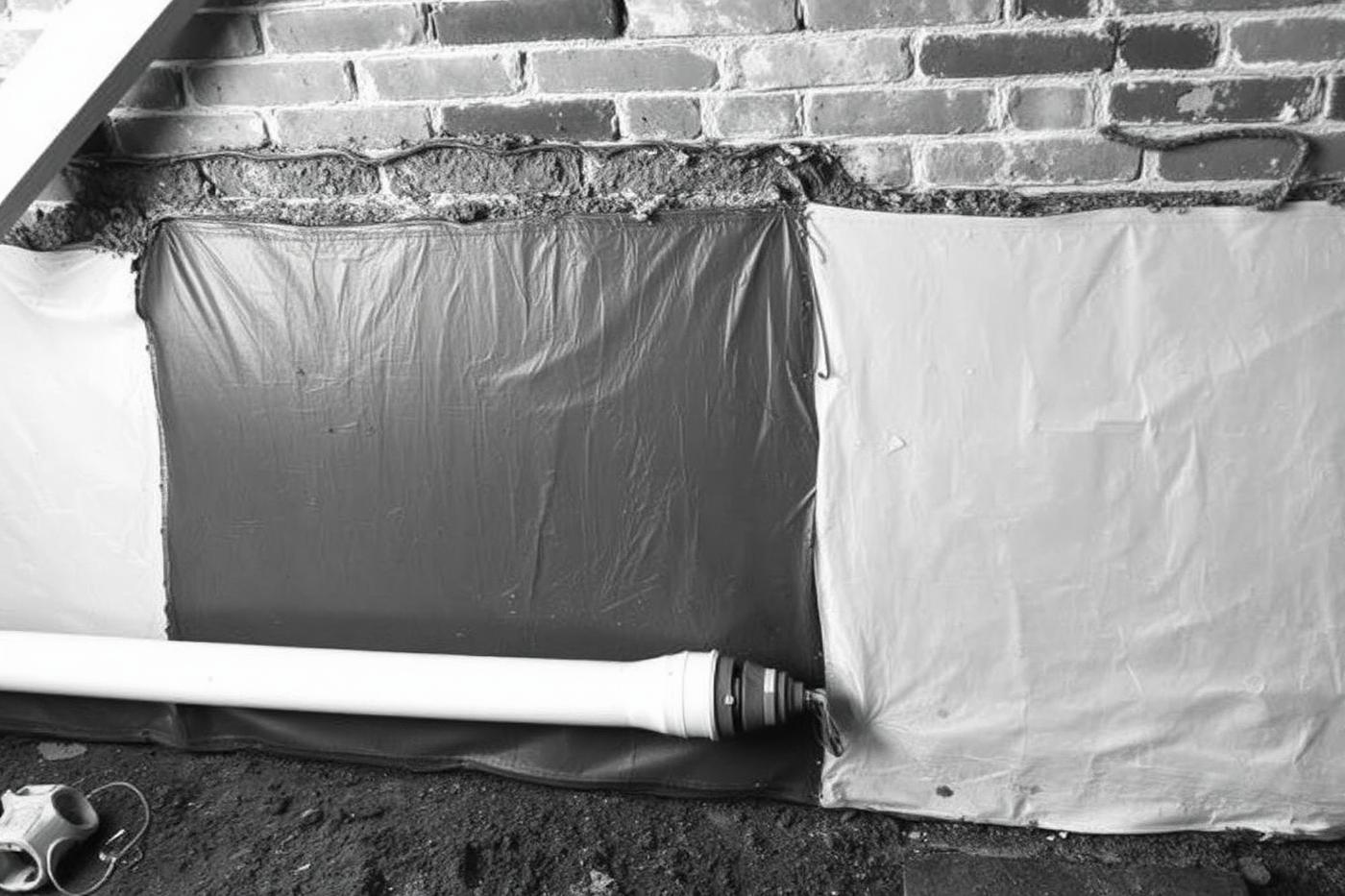 NW6
NW6Plumbing · 2022
Kilburn Plumbing
Full re-pipe with new manifolds, pressurised hot water and modern sanitaryware. Sample case study set in Kilburn (NW6).
View project →Plumbing near you
We cover every Greater London borough. These are some of the areas where we work most often.
Plumbing FAQs
How much does a plumber cost in London?
For project work we price the job, not the hour. As a guide, our indicative starting point for plumbing serving a single bathroom or kitchen is around £5,100 including base costs.
Do you do emergency call-outs?
We prioritise clients with live projects and can usually attend urgent leaks quickly. Contact us and we will tell you honestly what we can attend and when.
How long does a re-pipe take?
3–10 days for a typical house depending on size, access and whether floors are already up as part of other work.
Combi, system or heat pump?
Combis suit smaller properties with one bathroom and good incoming flow. Larger homes with several bathrooms need a cylinder-based system. Heat pumps need larger emitters and good insulation — we will tell you if your property is suited before you commit.
Are you Gas Safe registered?
All gas work is carried out by Gas Safe registered engineers and certificated on completion.
Can you find a leak without ripping up floors?
In most cases yes, using pressure testing, thermal imaging and acoustic tracing to narrow it down before opening anything up.
Next step
Price your plumbing
Use the instant quotation tool for an indicative range in under a minute, or book a site visit and we will issue a fixed price against a written scope.